Keeping your home’s electrical system in good working order is important for safety and peace of mind. In Bournemouth, the salty coastal air can place extra strain on wiring and fittings, so regular checks make sense. But how often should you actually test your home electrics? The answer depends on whether you own the property or rent it out, the age of the wiring, and any signs of wear. This guide covers the legal requirements for landlords, recommended intervals for homeowners, and what to expect from a professional inspection.
What Is an Electrical Installation Condition Report (EICR)?
An Electrical Installation Condition Report, often shortened to EICR, is a formal inspection of the fixed wiring and safety devices in a property. A qualified electrician checks the condition of the consumer unit (fuse board), cabling, earthing, bonding, and residual current devices (RCDs). The aim is to identify any damage, deterioration, or non-compliance with the current wiring regulations (BS 7671). For properties in Bournemouth, NICEIC registered electricians typically take between two and four hours to complete an EICR, depending on the size and complexity of the installation. At the end of the visit you receive a certificate detailing any observations, codes for faults, and recommendations for remedial work.
How Often Should Landlords Test Their Electrics in Bournemouth?
Landlords in Bournemouth have specific legal duties under the Electrical Safety Standards in the Private Rented Sector (England) Regulations 2020. The rules require that a valid EICR is obtained at intervals of no more than five years. The requirement came into force on 1 June 2020 for new tenancies and applied to all existing tenancies from 1 April 2021. A copy of the report must be given to tenants within 28 days of the inspection. If a landlord fails to comply, the local authority can issue a fine of up to £30,000 per breach. In addition, since 1 October 2015, landlords must install smoke alarms on every floor of the property and carbon monoxide detectors in any room containing a solid fuel appliance. Non-compliance with those alarm rules can lead to fines of up to £5,000.
Why Bournemouth Landlords Should Act Promptly
Bournemouth has a high proportion of flats and maisonettes; the 2011 census recorded that 46% of the town’s housing stock was in this category. Flats often share electrical risers and common supplies, so a fault in one unit can affect others. A five-yearly EICR helps landlords stay ahead of problems such as degraded insulation or loose connections, which are more likely in properties near the coast. If you are a landlord in Bournemouth, Christchurch, Poole, or the surrounding Dorset areas, it is wise to book your next inspection well before the five-year deadline to avoid gaps in certification.

How Often Should Homeowners Test Their Electrics?
There is no legal requirement for homeowners in England to have a periodic EICR. However, industry guidance recommends that an inspection is carried out at least every ten years for owner-occupied homes. If you live in an older property, or one that has had DIY electrical work, a ten-year check is a sensible precaution. Homes near the coast, particularly along Southbourne Coast Road or East Cliff, are exposed to salt-laden air. This can corrode metal fittings, terminals, and the internal components of switches and sockets over time. Bournemouth homeowners who notice flickering lights, a smell of burning, or warm sockets should arrange an inspection sooner, regardless of when the last test was done.
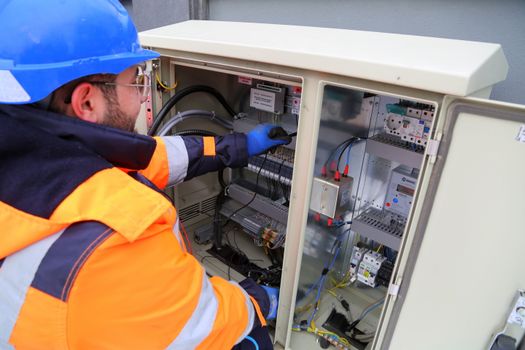
Emergency Electrical Services for Bournemouth Residents
Not every electrical problem can wait for a scheduled inspection. Some faults, such as a complete loss of power, a sparking socket, or a tripping breaker that will not reset, need urgent attention. Several local electricians offer a 24-hour emergency call-out service. For example, Carl Ashley Electrical Services, a NAPIT approved contractor with 24 years of experience, provides round-the-clock assistance for Bournemouth homes. They also offer discounts for NHS staff, OAPs, and members of the Armed Forces, which can be helpful when an unexpected call-out occurs. Whether you need an emergency repair or a planned EICR, it is important to contact a qualified, insured tradesperson who knows the local housing stock and environmental conditions.
Choosing a Qualified Electrician in Bournemouth
When selecting an electrician for home electrics testing in Bournemouth, look for accreditation with a recognised Competent Person Scheme, such as NICEIC or NAPIT. These schemes confirm that the contractor is regularly assessed against national standards. Electrisafe Electrical Contractors, based in Northbourne, is a NICEIC Approved Contractor with over 25 years of experience. Another option is Prolectrical Southern Ltd, which covers Bournemouth, Poole, and Christchurch for electrical testing and inspection. Reputable electricians will provide a clear quote before starting the work and explain any code 1 or code 2 faults found during the inspection. Checking recent reviews on platforms such as Checkatrade can also give you confidence in the quality of service.

Frequently Asked Questions
Is an EICR a legal requirement for homeowners in Bournemouth?
No, homeowners are not legally required to have an Electrical Installation Condition Report. However, it is strongly recommended every ten years to ensure the wiring and safety devices are still in good condition. If you buy an older property, an EICR before moving in can highlight hidden issues and help you plan any necessary upgrades.
How much does an EICR cost in Bournemouth?
Prices vary depending on the size of the property and the electrician you choose. Published prices start from around £120 for a standard flat or small house. It is a good idea to obtain at least two quotes from registered contractors and ask what is included in the fee, such as a full written report and any follow-up minor work.
What happens if a landlord does not have an EICR?
Landlords who fail to obtain a valid EICR every five years can be fined up to £30,000 by the local authority. Tenants may also raise the issue, which can lead to enforcement action. It is a legal requirement, so keeping the certificate up to date is essential.
How long does an electrical test take?
For a typical three-bedroom house, a registered electrician usually takes two to four hours to complete an EICR. Larger properties or those with complex wiring may take longer. The electrician will need access to all rooms, including the consumer unit, to carry out the inspection safely.
Does coastal weather affect home electrics in Bournemouth?
Yes. Salt in the air near coastal areas such as Southbourne, East Cliff, and Sandbanks can accelerate corrosion on metal terminals, socket contacts, and light fittings. Bournemouth homeowners should consider having their electrics inspected more frequently than the standard ten-year interval if they live close to the seafront.
Regular testing of your home electrics in Bournemouth is a responsible step whether you are a landlord or a homeowner. It helps prevent electrical fires, protects your appliances, and ensures your property meets current safety standards. By booking a periodic EICR with a qualified local electrician and acting promptly on any recommended repairs, you can keep your home’s electrical system safe for years to come.