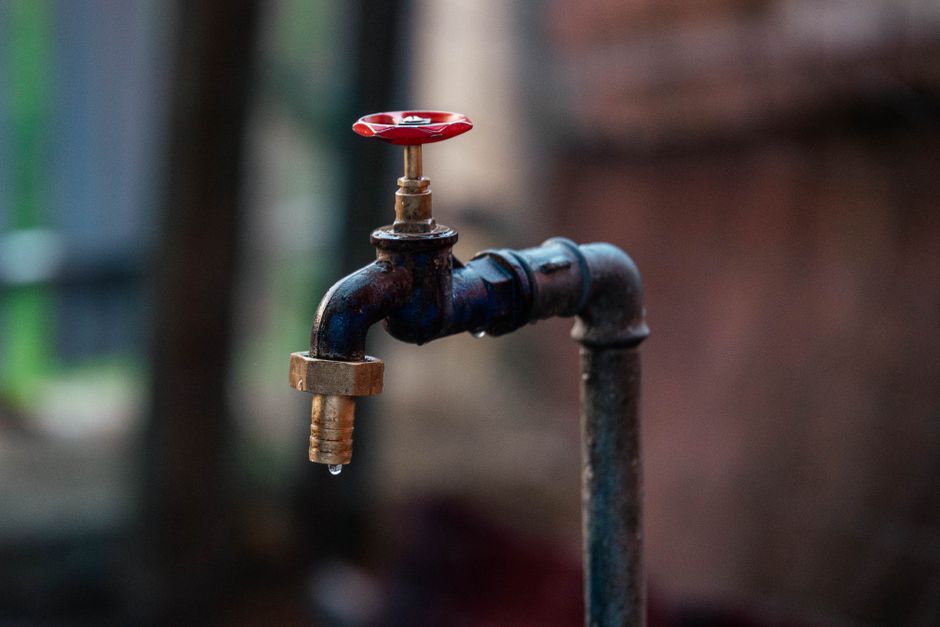
Knowing how to turn off a stop tap is one of the most useful skills a homeowner can learn. Whether you have a burst pipe, a leaking appliance, or need to carry out a repair, shutting off the water quickly can prevent costly damage. For homeowners in Bournemouth and across Dorset, understanding where your stop tap is and how to operate it safely gives you control in an emergency. This guide explains the process step by step, using plain English and advice from trusted UK sources.
Why You Need to Know How to Turn Off Your Stop Tap
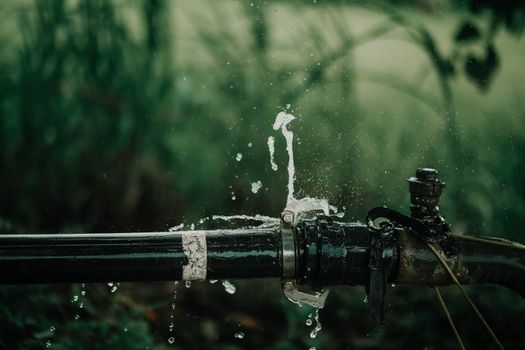
A stop tap, also known as a stopcock or isolation valve, is the main control for your home’s water supply. If a pipe bursts or a tap starts spraying, being able to turn off the water in seconds can save you from flooding, ruined carpets, and expensive repair bills. In many older homes in Bournemouth, Christchurch, and Poole, the stop tap may be tucked away in an awkward spot, so it is wise to find it before an emergency happens. You should also test your stopcock at least once a year to ensure it works when you need it.
Where to Find the Stop Tap in Your Home
The inside stop valve is your responsibility to install, maintain, and replace. Common locations include under the kitchen sink, under the stairs, in an airing cupboard, under floorboards near the front door, or in a garage, utility room, bathroom, or cellar. In houses with a loft, the stop tap may be located near the cold water tank. If you have a combi-boiler or a mega-flow hot water tank (a high-pressure system), there is usually one single stop tap that turns off the mains water. If your home uses a low-pressure gravity system with a loft tank, there may be a separate stop tap for the cold water tank and another for the hot water flow. Start by looking under the kitchen sink – that is where most stop taps are found in modern UK homes.
How to Turn Off the Stop Tap Step by Step
Turn the Valve Clockwise Slowly
To shut off the water supply, turn the stop valve clockwise. Do this slowly to prevent damage. It may take a few full turns and a couple of minutes for the water to stop running from your taps, so be patient. Never force the valve – if you meet resistance, stop. Over-tightening or excessive force may damage the stop tap. If the valve has a lever handle rather than a traditional wheel, check whether it is a quarter-turn lever. With modern plastic external stop taps, a quarter turn is often enough: when the lever is in line with the pipe, the water is on; when it is across the pipe, the water is off. Your internal stop tap is more likely to be the multi-turn type, so turn clockwise until it stops lightly.
Open Taps to Drain Remaining Water
After turning off the stopcock, water remains in the internal pipes. Open the lowest cold tap in your home (often an outdoor tap or a kitchen tap) and then open a hot tap upstairs. This drains the pipework and relieves pressure. If you are repairing a specific fixture, you may not need to drain the whole system – but in an emergency, draining helps reduce the risk of further leaks.
How to Turn the Water Back On
To restore the water supply, turn the valve anti-clockwise. Again, do this slowly. Listen for air in the pipes (a hissing or banging sound is common) and let the water run from a cold tap for a few minutes until the flow is clear and steady. If you have opened taps to drain the system, close them once the water is flowing normally.
What to Do If the Stop Tap Is Stiff or Won’t Turn
A stuck stop tap is a common problem, especially in older properties. If the valve will not move, do not attempt to force it. Excessive force can break the spindle or the pipework, leading to a bigger emergency. Do not use lubricating oil or WD40, because brass stop taps scale up rather than rust – oil will not help and may make the problem worse. Instead, try these steps:
-
Warm the valve body gently with a hairdryer to expand the brass. Never use a blowtorch.
-
Tap the valve body lightly with a spanner to break any scale deposits.
-
If it still will not turn, call a professional plumber. In Bournemouth and Dorset, local tradespeople like those at Victory 2000 can attend quickly and replace the stop tap if needed.
Using Localised Isolation Valves
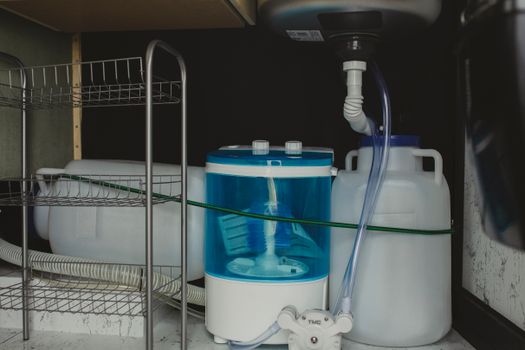
If your main internal stop tap does not work, you may be able to use localised isolation valves to turn off the water to a specific area. Many modern homes have service valves under sinks, behind toilets, and beside washing machines. These are typically small chrome or brass valves with a slot for a screwdriver or a small lever. Turn them clockwise to shut off water to that individual appliance or room. This can buy you time while you arrange for a plumber to fix the main stop tap.
External Stop Taps – A Last Resort
The external stop tap is located outside your property, usually in a plastic box in the pavement or in your garden. This valve belongs to your local water supplier, and you may need permission to operate it. Turning off the external stop tap may also shut off water to neighbouring properties. If you use it and cause damage, you could be liable for the cost of repairs. Only consider this option if you cannot turn off the internal stop tap and you have a serious leak. In an emergency, you can operate the external tap – but contact your water supplier as soon as possible afterwards. If the external tap has a plastic lever, a quarter turn should suffice: lever in line with the pipe means water is on; across the pipe means off.
When to Call a Plumber
If your internal stop tap is broken, leaking, or completely seized, it is time to call a professional. A stopped tap that cannot be turned may leave you unable to shut off the water in a real emergency. A local plumber can replace the valve safely. In Bournemouth, Christchurch, Poole, Verwood, Ringwood, Ferndown, and throughout Dorset, Victory 2000 offers same-day and 24-hour emergency plumbing callouts. They also cover electrical work if the stop tap is located near wiring. Trying to repair a stop tap yourself when you are not confident can cause more damage. A qualified plumber will have the right tools and expertise to replace the valve without disturbing your pipework.
Frequently Asked Questions
How do I know if I have a high-pressure or low-pressure system?
If you have a combi-boiler or a mega-flow hot water tank, you have a high-pressure system, and there is usually one stop tap for the whole house. If you have a cold water tank in the loft and a separate hot water cylinder, you have a low-pressure gravity system, and there may be a second stop valve for the tank.
Should I test my stop tap regularly?
Yes. Plumbing experts recommend testing your stopcock at least once a year. Turn it off and on slowly to make sure it still operates. If it feels stiff, give it a gentle exercise – but never force it. Regular testing means you will not be caught off guard in an emergency.
Can I use WD40 on a stuck stop tap?
No. Do not use lubricating oil or WD40. Brass stop taps scale up rather than rust, so oil will not help. Instead, try gentle heat from a hairdryer or light tapping with a spanner. If that does not work, call a plumber.
What if I can’t find my stop tap at all?
Start by checking the most common locations: under the kitchen sink, under the stairs, and in the airing cupboard. If you have floorboards near the front door, lift a loose board. In some homes, the stop tap is hidden behind a removable panel in the bathroom or utility room. If you still cannot find it, a local plumber can come and locate it for you.
Stopping a water leak quickly can save you hundreds of pounds in repairs. Knowing how to turn off a stop tap and where it lives in your home is the first step to being prepared. If you ever need help with a stuck valve or a plumbing emergency in Bournemouth or Dorset, Victory 2000 provides reliable, local support with clear advice and practical solutions.